save 4 hours a year with a robo-mower
TL;DR: Just about worth it, but only if you have a lawn with a hard border or can commit to running it every week during the growth season.
It is slow, taking 5-6 hours to cover 64 sq m, but it's easy to maintain, occupies much less storage space than a regular mower, and removes one chore from your to-do list.
Lawns are great, but mowing is a chore we often want to avoid. I acquired the 24V / 16cm LawnMaster RoboMower from Argos at about double the price of a standard cordless hand-mower.
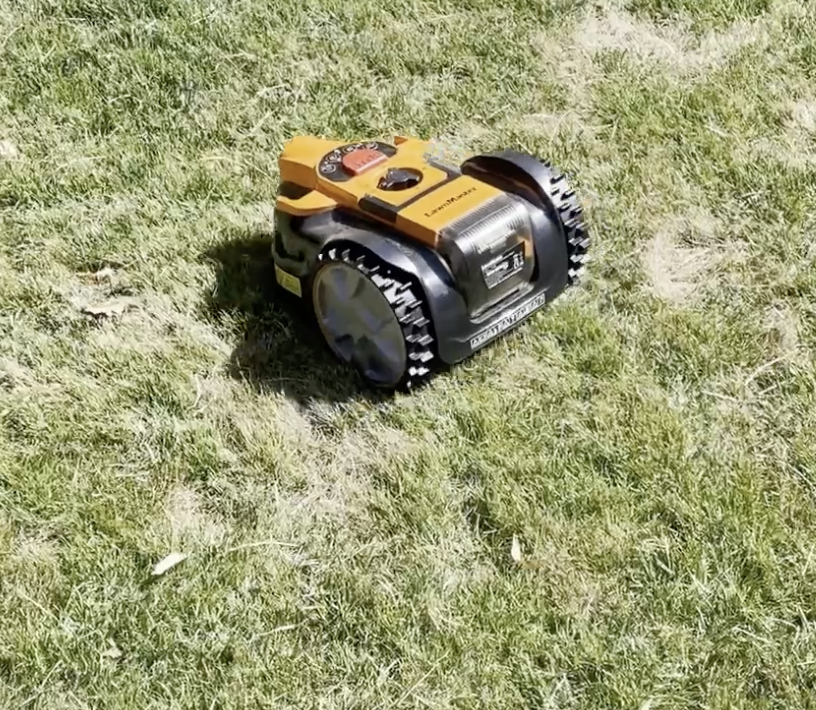
In theory, it works by 'detecting grassy areas,' but in practice, it operates using two main mowing modes:
Mowing Patterns
1. Spiral Mowing
The mower moves in a spiral pattern from where you place it. As soon as something interrupts the spiral (often nothing visible), it switches to random mode. The largest area I've successfully covered in spiral mode is about 2 meters in diameter.
2. Random Mowing (The DVD Screensaver)
This mode is purely random, much like those old DVD logo screensavers that bounce off the edges of the screen.

There doesn't seem to be any systematic method to ensure it covers the entire area evenly.
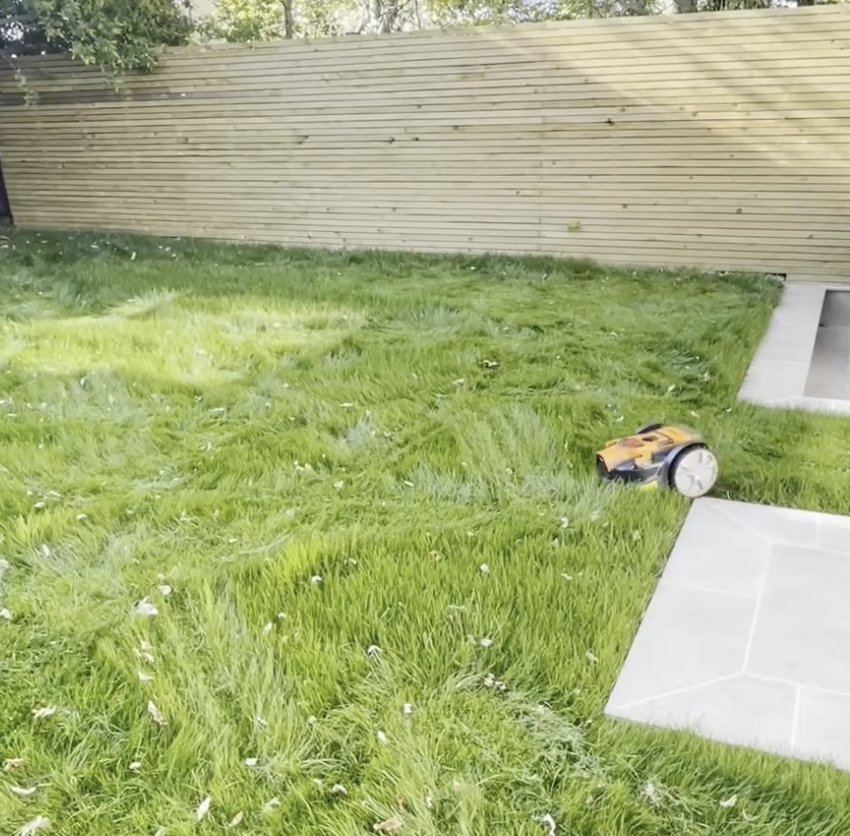
Boundary Navigation Modes
1. Bump Mode: Effective but Aggressive
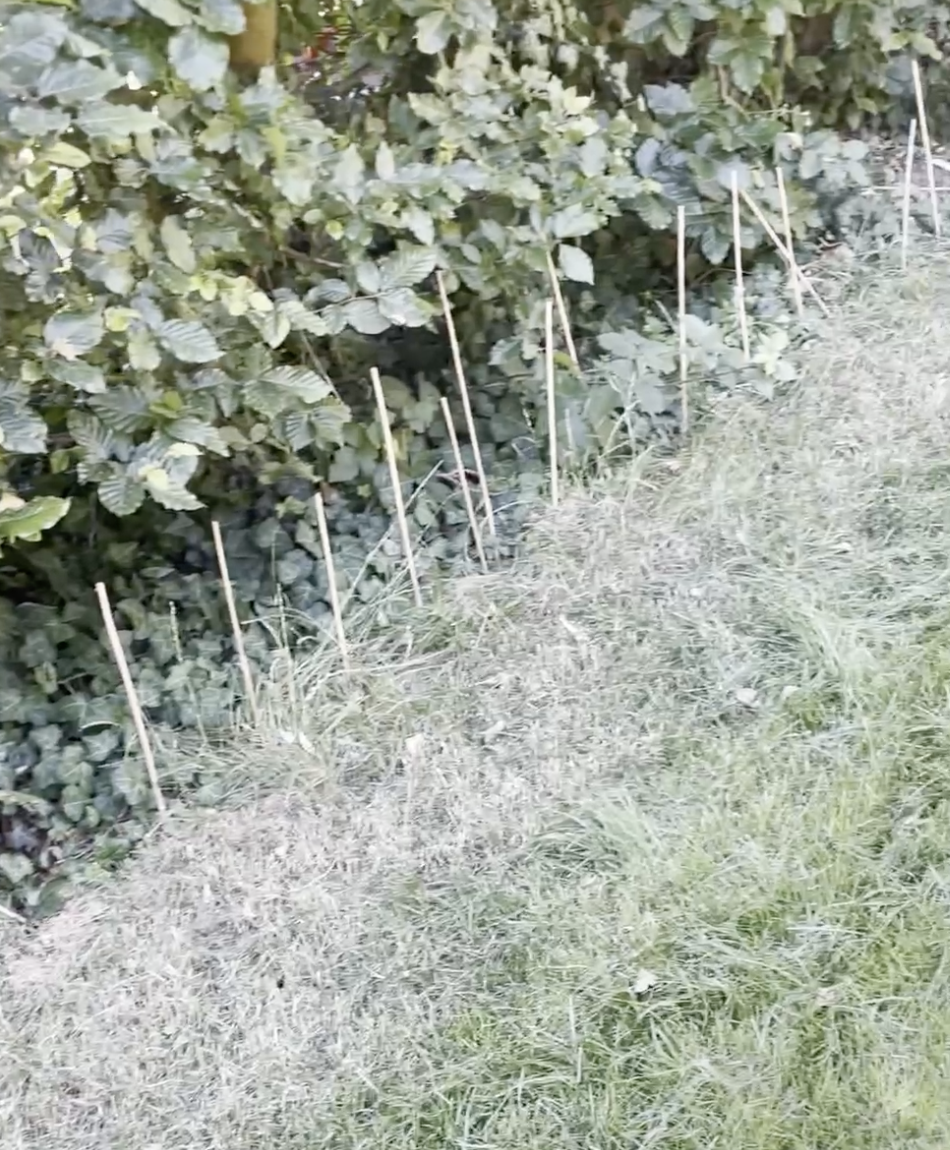
When the mower hits something hard, it changes direction. While the manual suggests using markers for boundaries, it tends to bulldoze them over and frequently gets stuck. I tried a makeshift garden-stick fence, but it flattened it or got the posts caught in the wheels.
Note: You must use this mode if the grass is over 6 inches tall, but I would not recommend leaving it unsupervised in this mode.
2. Height Sensor Mode: Very Sensitive
Anything over 6 inches tall—even a single blade of grass—will cause the robot to change direction.
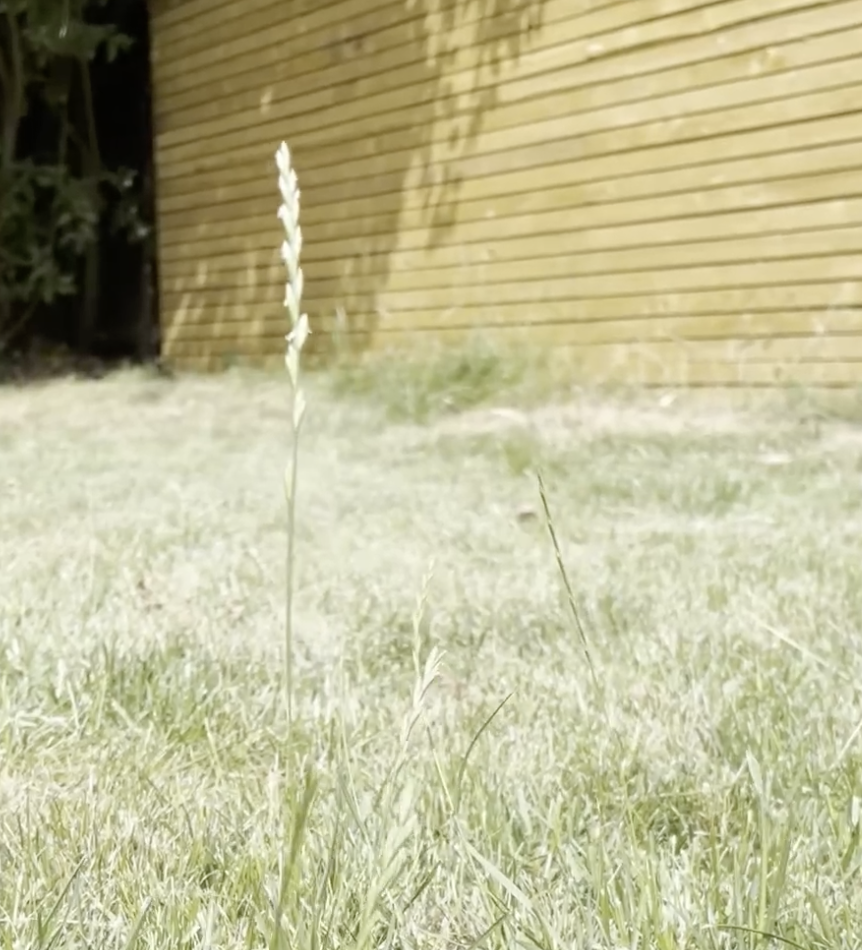
It is overly cautious about hitting anything, making it safe to leave unsupervised. The major downside is that it avoids even small tufts of taller grass, leaving untouched patches in the middle of the lawn.
Performance and Maintenance
Battery Life and Coverage
The battery lasts about 5-6 hours, which is enough to cover about 64 sq m in a single pass. If the lawn is overgrown, it will require multiple passes. This is significantly longer than manual mowing, but the benefit is hands-off operation (with supervision in Bump Mode).
No Green Waste
There is no grass collection compartment. It chews the clippings up very small (mulching them) and leaves them on the lawn, making them almost invisible. While the cut is a bit rough, I haven't seen any negative effects. The underneath is very easy to clean after a mow:
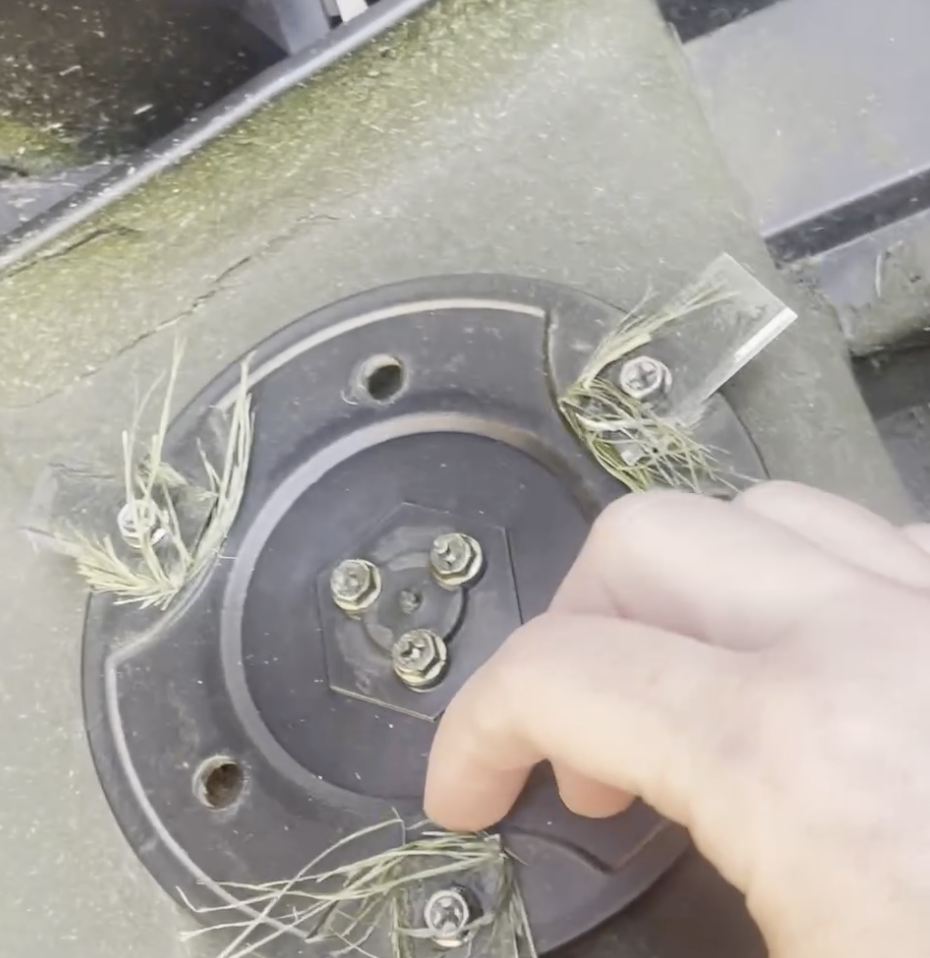
Edges and Hedges are a Problem
Both navigation modes leave the edges uncut. You will need to use a strimmer separately or accept the rough edges.
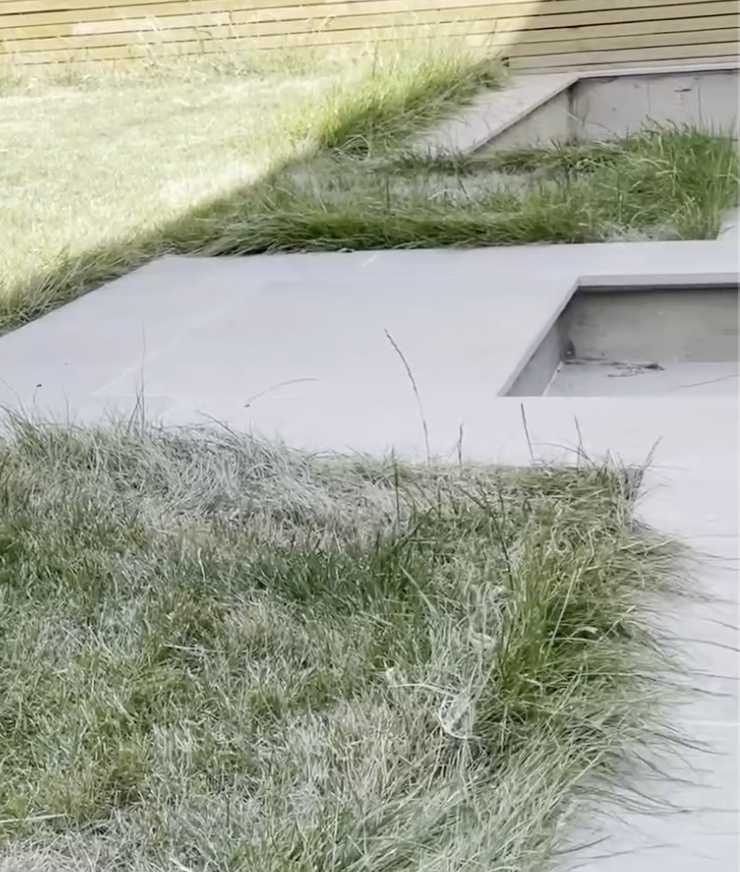
Hedges are also a challenge. A non-flattenable fence works for 'Bump Mode,' but for 'Sensor Mode,' you need to place small sticks tall enough to be detected by the sensors. My faux stick fence was flattened in 'Bump Mode,' but successfully contained the mower in 'Sensor Mode.'